What Is Cold Chain Logistics? A Beginner’s Guide
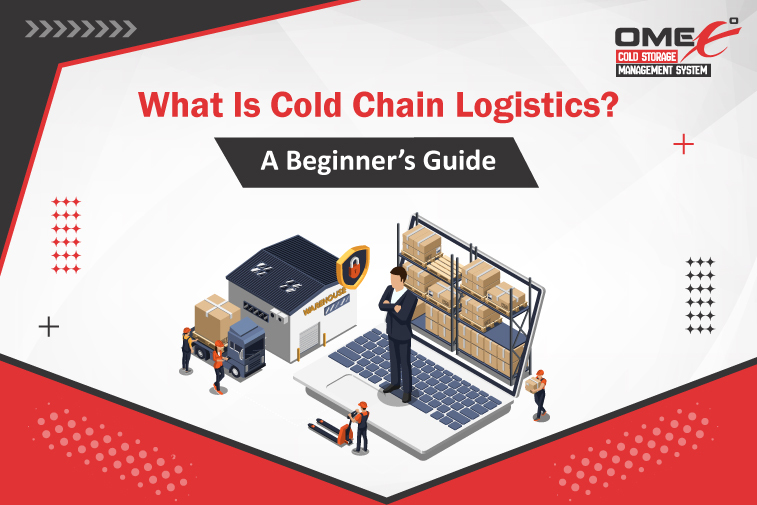
Chain logistics focuses on the temperature-controlled movement of goods and explains how you can manage storage, transport, and monitoring to protect perishable products. You will learn key components—refrigerated vehicles, insulated packaging, real-time sensors, compliance standards—and practical steps to reduce spoilage, maintain product integrity, and optimize costs across your supply chain.
The Crucial Role of Temperature Control in Supply Chains
Temperature deviations of just 2–4°C can halve shelf life for fresh fish, so you must enforce precise control across transport, storage, and handling. Real-time monitoring and alarmed data loggers on reefers reduce returns and waste—industry reports show up to 15% spoilage reduction with continuous monitoring. You should pair properly designed equipment with contingency plans for power loss, transshipment delays, and human error to maintain product integrity and regulatory compliance. For more on how cold storage can maximize shelf life, check out this article on maximizing shelf life with cold storage for apples.
Temperature Control Impacts
| Impact | Example / Effect |
| Shelf life | 2–4°C rise can halve shelf life of fresh fish; dairy acids accelerate above 8°C |
| Regulatory risk | Vaccines outside 2–8°C may be discarded, triggering recalls and fines |
| Cost | Continuous monitoring linked to ~15% reduction in spoilage costs |
| Customer trust | One cold-chain breach can cause widespread brand damage and lost contracts |
Temperature control plays a key role in reducing spoilage costs. For more on the challenges and solutions related to food and beverage cold storage, explore this article on cold storage management for food and beverages.
Key Temperature Ranges for Different Products
You should classify shipments by target ranges: frozen foods at −18°C (USDA standard), ultra‑cold biologics like some mRNA vaccines around −70°C, most vaccines and many biologics at 2–8°C, fresh produce typically 0–4°C, and ambient goods at 15–25°C; blood components commonly range 1–6°C. Clear labeling and route plans tied to these ranges reduce risk of cross-contamination and off‑spec exposure during multimodal moves.
Typical Temperature Ranges
| Product | Range / Note |
| Frozen foods | −18°C (long-term storage) |
| Ultra-cold biologics | ≈−70°C (some mRNA vaccines) |
| Vaccines / dairy | 2–8°C (cold chain primary target) |
| Fresh produce | 0–4°C (varies by item) |
| Ambient goods | 15–25°C (shelf-stable) |
The Science of Thermal Energy Transfer
You manage three main transfer modes: conduction through packaging and pallet interfaces, convection via air movement inside trailers, and radiation from external heat loads like sun exposure. Latent heat is significant—water’s heat of fusion is 334 kJ/kg—so ice packs and phase-change materials (PCMs) provide thermal buffering. Insulation choice matters: polyurethane foam has thermal conductivity around 0.02 W/m·K, helping slow heat ingress during multi-day transit.
Quantitative design uses conduction Q = kAΔT/L and convective Q = hAΔT to size insulation and refrigeration capacity; emissive heat follows Q ≈ εσA(T4 − Tenv4) for extreme cases. You can select PCMs with melting points matching target temps (e.g., eutectic salts near −18°C for frozen loads) and use CFD airflow modelling to reduce 3–5°C stratification across pallets. Sensor placement—near core product, not just ambient air—lets you detect door‑opening spikes and validate thermal maps during route tests.
Core Components of a Cold Chain System
Your cold chain combines temperature-controlled storage, validated transport, active and passive packaging, continuous monitoring, and trained staff operating SOPs. Cold rooms and blast freezers cover ranges from -70°C for ultra‑cold biologics to +2–8°C for many pharmaceuticals; data loggers, IoT sensors, and GPS traceability create audit trails. Calibration, regulatory validation, and documented chain‑of‑custody ensure your product potency and compliance from manufacturer to last mile.
Refrigeration Technologies and Innovations
You’ll see vapor-compression and cascade refrigeration handling -40°C to +8°C, while cryogenic LN2 and dry‑ice methods reach -70°C to -196°C for ultra‑cold needs. Phase‑change materials and vacuum‑insulated panels extend passive hold times to 72+ hours in last‑mile shippers. Modern systems integrate IoT telemetry, predictive maintenance, and CO2 transcritical units that can cut energy use by up to 20% in some operations.
Transportation Methods that Maintain Integrity
You choose refrigerated trucks, reefers, air freight with active coolers, or passive insulated shippers with dry ice based on speed, cost, and risk. Road reefers typically control -25°C to +25°C within ±2°C; sea reefers move bulk loads over weeks, while air compresses transit to 24–48 hours for global lanes. Continuous telemetry and validated handoffs keep your temperature profile within spec during movement.
Major logistics providers like FedEx and DHL used dedicated thermal shippers and GPS tracking during the COVID vaccine rollout; Pfizer’s initial supply chain relied on dry‑ice shippers sustaining -70°C for up to 10 days with replenishment protocols. You should require ISTA 7E or ISO validation, contingency plans for dry‑ice replenishment or refrigerated transloading, and SLA metrics (for example, <0.5% excursion rate) to hold carriers accountable.
Regulatory Compliance and Industry Standards
Regulatory obligations cut across food safety, pharmaceuticals, and transport: FDA FSMA and 21 CFR rules for U.S. food and drugs, EU Good Distribution Practice (GDP) for medicines, WHO vaccine storage guidance, and IATA’s Temperature Control Regulations for air shipments. You must align your SOPs, recording systems, and supplier agreements to these frameworks; noncompliance can trigger fines, shipment holds, or product rejection, as seen during the 2020–21 vaccine rollouts where temperature failures sidelined batches.
Global Regulations Impacting Cold Chain Logistics
Several global rules shape how you move temperature-sensitive goods: FSMA enforces preventive controls and traceability, EU GDP mandates documented cold chain integrity for wholesalers and distributors, and WHO/EPI sets vaccine-specific storage (commonly 2–8°C, with some vaccines at −70°C). Airlines follow IATA TCR for packaging and labeling, while customs and national agencies add import/export permits—so your global routing and documentation must satisfy overlapping, often country-specific, requirements.
Certifications and Best Practices for Compliance
Certifications signal to customers and regulators that your systems meet standards: ISO 22000 or SQF for food safety, BRC Global Standards for storage, ISO 9001 for quality management, and GDP accreditation for pharmaceuticals. You should deploy validated data loggers with audit trails, calibrate sensors regularly (commonly every 6–12 months), and maintain chain-of-custody records to demonstrate continuous temperature control during audits.
Operational examples help: a mid-sized distributor that implemented ISO 22000 and GDP-aligned SOPs reduced temperature excursions by tracking shipments at 5‑minute intervals and performing monthly review meetings. You can adopt passive validated packaging for 24–96 hour holds, real-time telematics for route optimization, and third‑party GDP audits; combining certifications with documented corrective actions often shortens regulatory inspections from days to hours and lowers product rejection rates.
Challenges and Risks of Cold Chain Logistics
You navigate equipment failures, power outages, regulatory complexity and volatile last-mile conditions that can turn compliant shipments into losses; WHO estimates up to 50% of vaccines are wasted globally each year due to temperature-control failures. Cross-border delays, mixed-temperature transport and inconsistent monitoring amplify risk, and a single excursion can render high-value cargo—like vaccine pallets or specialty biologics—unusable, triggering recalls, replacement shipments and regulatory scrutiny that all undermine supply continuity and patient safety.
Common Failure Points in Cold Chain Management
You encounter predictable weak spots: improper pre-cooling of containers, inadequate insulation or gel packs, frequent door openings at distribution hubs, misplaced or miscalibrated data loggers, power interruptions at small cold rooms, and poor coordination between carriers. Last-mile variability—rural endpoints without reliable refrigeration—often causes the highest spoilage rates, and manual handoffs without validated procedures multiply human-error risks during loading, transit and delivery.
The Cost of Disruption: Financial and Health Implications
You face direct product losses, expedited-replacement expenses and potential regulatory fines when the cold chain breaks; for perishable food and pharmaceuticals, disposal and replacement can exceed the original shipment value. Health impacts include reduced vaccine potency, treatment failures, and local outbreaks from ineffective vaccines or spoiled biologics, while reputational damage can erode clinician and patient trust, increasing long-term commercial losses.
Quantifying disruption shows bigger stakes: post-harvest losses for perishables can run 20–40% in some regions, and a single compromised pharmaceutical pallet can cost you hundreds of thousands in product value plus logistics and disposal. Add recall management, reporting, and potential legal exposure, and total costs often multiply direct losses; during the COVID-19 rollout, ultra-cold logistics bottlenecks delayed doses in low-resource settings, illustrating how operational failures translate to delayed immunizations and public-health consequences.
Future Trends Shaping Cold Chain Logistics
Electrification of reefers, tighter temperature monitoring and circular packaging are reshaping the cold chain. You should expect faster adoption of battery-electric trucks and solar-assisted containers, while regulators like the Kigali Amendment accelerate HFC phasedowns. Consumer demand for provenance and freshness is rising: FAO estimates about 30% of food is lost or wasted globally, so shippers that reduce spoilage through better controls and transparency capture market share and cut costs.
Emerging Technologies Transforming the Sector
Networked IoT sensors and edge analytics now provide per-package temperature logs and geo-fenced alarms, reducing transit deviations in pilots by up to 20%. Blockchain projects from Walmart and IBM cut traceback time for produce from days to seconds, improving recall speed. You can leverage AI route optimization to lower fuel use 10–15%, predictive maintenance to boost reefer uptime, and digital twins to simulate load stability and energy use before committing shipments.
Sustainability Practices and Their Importance
Switching to low‑GWP refrigerants like CO2 or ammonia and improving insulation often cuts refrigeration emissions by 30–50% in retrofit projects. You should evaluate electrified reefers, solar roofs on trailers, and carriers with science‑based net‑zero targets—companies such as Maersk and DHL have 2050 goals—to meet retailer requirements and reduce regulatory risk while accessing green procurement opportunities.
Lifecycle analyses show refrigeration typically dominates facility energy use; retrofits with variable‑speed compressors, advanced seals and LED lighting commonly pay back within five years. You should track kWh per cubic meter of refrigerated space and Scope 1–3 emissions to qualify for incentives. Combined efficiency upgrades and route optimization have reduced supply‑chain emissions 15–25% in several case studies, improving margins while aligning with customer ESG commitments.
Final Words
To wrap up, understanding cold chain logistics helps you protect temperature-sensitive goods through controlled transport, storage, monitoring, and compliance with regulations. With proper planning, technology, and qualified partners, you can reduce spoilage, meet quality standards, and maintain traceability across your supply chain. Investing in robust equipment, real-time data, and continuous process improvement will ensure your products reach customers safely and consistently.